
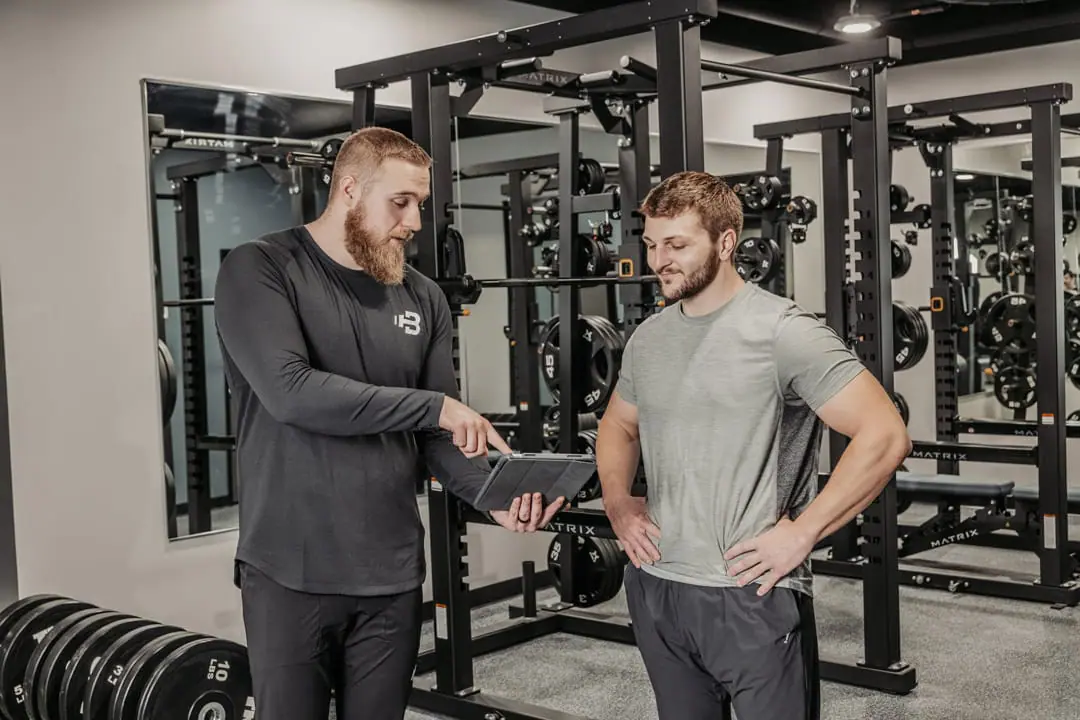
In a fitness landscape often dominated by crowded gyms and one-size-fits-all programs, Blueprint Personal Training offers a more intentional approach in Fargo. Built around individualized coaching, the private studio focuses on structure, accountability, and measurable progress—pairing customized training with nutrition guidance to help clients achieve lasting results. Rather than operating as a high-volume gym, Blueprint emphasizes a coach-led experience where every session is purposeful, and every plan is tailored. At the center of it all is a team of dedicated trainers who view their work as a profession, prioritizing relationships, consistency, and long-term impact over quick fixes—because real change starts with the people guiding the process.
Let’s meet the team.
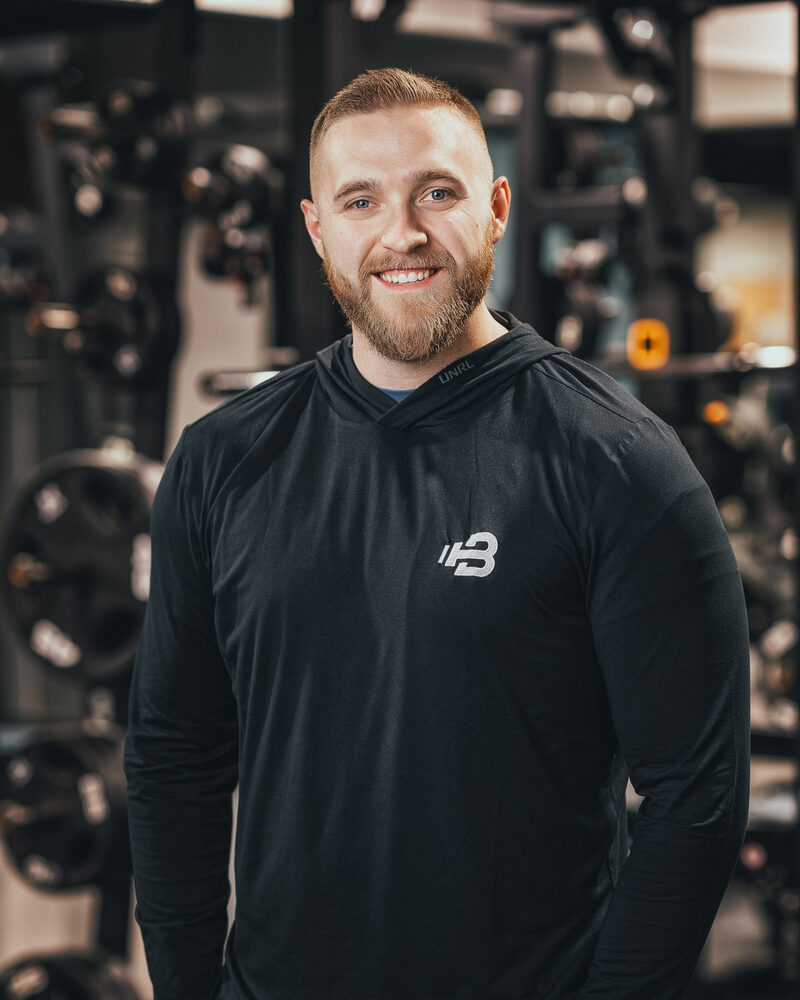
Pete Wunderlich’s career in fitness is rooted in personal experience. After going through his own weight loss journey in high school, he found a passion for helping others achieve the same kind of transformation—focusing on strength, sustainability, and long-term change.
Q: What originally drew you to personal training?
A: I went through my own weight loss journey in high school, and once I reached my goal, I knew I wanted to help others do the same. That’s what’s kept me in the industry.
Q: How would you describe your training philosophy?
A: I focus on strength training that helps you in everyday life.
Q: What do most people misunderstand about getting in shape?
A: People think they need to run miles and eat very little to lose weight. That might work short-term, but it’s not sustainable. Strength training and small, consistent dietary changes are much more effective long-term.
Q: What separates a good trainer from a great one?
A: A great trainer meets people where they are. It’s not about motivation—it’s about building sustainable habits that fit into someone’s life.
Q: How do you keep clients motivated when progress slows?
A: I remind them that plateaus are normal. The most important thing is to stay consistent and not let stalled progress dictate your effort.
Q: What’s one small habit that makes a big difference?
A: Drinking more water. A lot of people don’t realize how much of an impact it can have.
Q: What trends concern you in the industry?
A: The misuse of weight loss medications without making lifestyle changes. They can be a useful tool, but they shouldn’t replace building healthy habits.
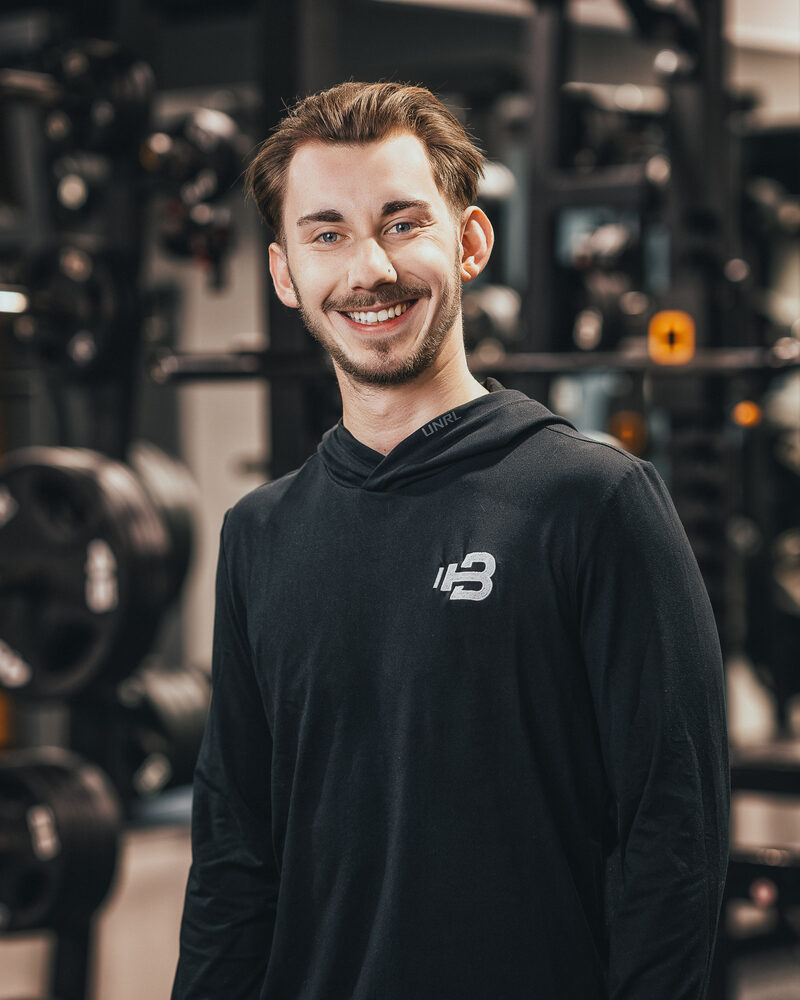
Ben Leervig has been immersed in sports and fitness for as long as he can remember. Inspired early on by the impact of physical therapy and performance training, he built his career around helping others improve their health—driven by the belief that consistency, effort, and the right plan can change lives.
Q: What originally drew you to personal training?
A: I’ve always been involved in sports and fitness. Growing up, I worked with physical therapists and saw how much they helped people. That inspired me to pursue a career in health and fitness. Seeing my clients make progress and improve their lives is what keeps me in it.
Q: How would you describe your training philosophy?
A: Show up every week ready to train hard and have fun.
Q: What do most people misunderstand about getting in shape?
A: People think they can out-train a bad diet. If your nutrition isn’t aligned with your goals, it’s going to be frustrating to see results.
Q: What’s the biggest mistake you see beginners make?
A: Lack of consistency. Training once or twice a week inconsistently won’t lead to meaningful progress. This is a long-term process—it’s a marathon, not a sprint.
Q: If someone only has 30 minutes a day, what should they focus on?
A: Compound exercises. They allow you to train multiple muscle groups at once and make the most of your time.
Q: What’s one small habit that makes a big difference?
A: Drinking water consistently throughout the day.
Q: What trends concern you in the industry?
A: The rise of “influencer trainers” who promote methods that aren’t backed by science. What works for one person doesn’t work for everyone.
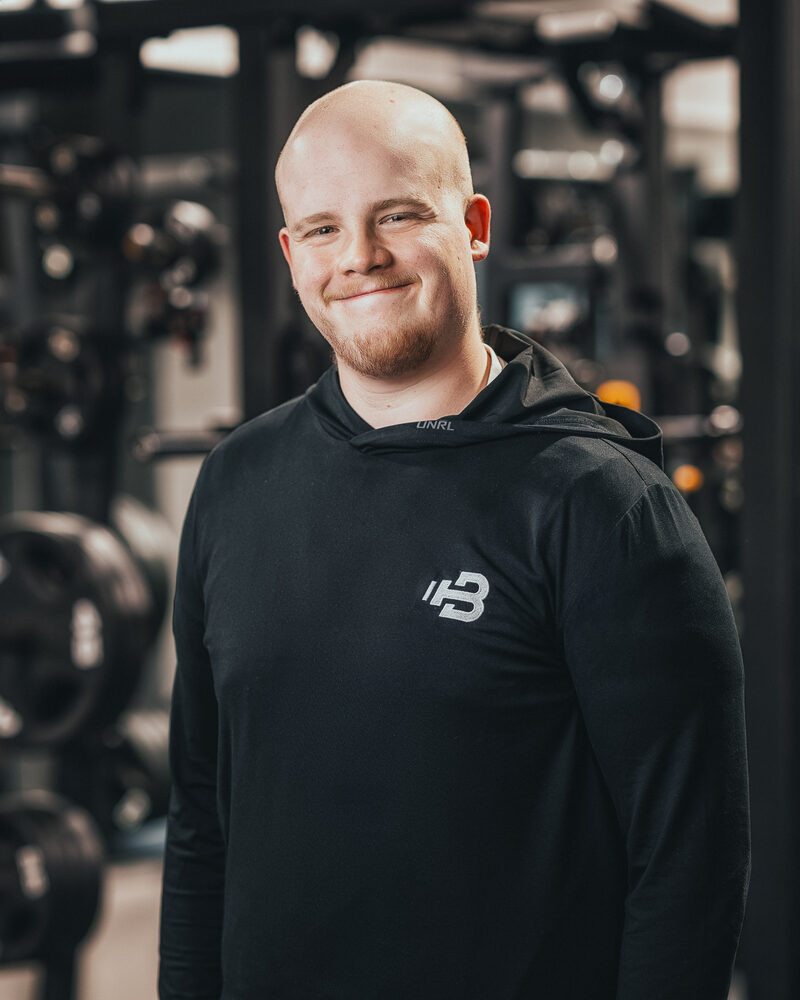
A former college athlete, Will Bryant’s transition into personal training was a natural extension of a life spent in the gym. Now in his first year as a trainer, he brings a fresh perspective rooted in fundamentals, discipline, and a growing passion for helping clients build sustainable habits.
Q: What originally drew you to personal training?
A: I was a college athlete, so I grew up around lifting and working out my entire life. I knew once I got out of college, I wanted to stay in the fitness world. I’m in my first year as a personal trainer, so I’m excited to see what the future holds.
Q: How would you describe your training philosophy?
A: Form over weight. It’s more important to lift correctly than to lift heavier weights with poor technique. That’s how you prevent injury and build real strength.
Q: What do most people misunderstand about getting in shape?
A: Your diet is extremely important. You can work hard in the gym for hours, but if your nutrition isn’t aligned with your goals, you won’t see the progress you want.
Q: What’s the biggest mistake you see beginners make?
A: Setting unrealistic timelines. It leads to frustration when they don’t hit their goals as quickly as they expected.
Q: How do you keep clients motivated when progress slows?
A: Celebrate small wins. Even small increases in weight or consistency matter—progress is still progress.
Q: What’s one small habit that makes a big difference?
A: Hitting a daily step goal. I aim for at least 10,000 steps, and I’ve seen a big impact on my own results.
Q: What’s overrated in the fitness world right now?
A: The idea that there’s a “quick fix” for fat loss or specific workouts that target belly fat. There’s no shortcut—results come from consistency.